

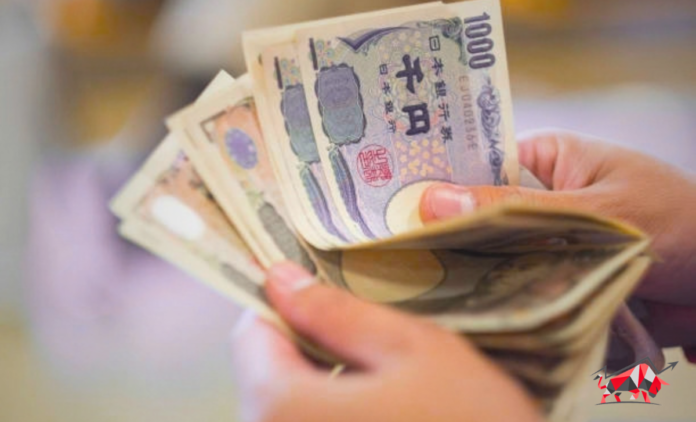
The Bank of Japan raised its policy rate by 0.25 percentage points to approximately 1.25% on Friday in a 7-2 vote, marking the highest borrowing costs in Japan in 31 years. The Bank of Japan interest rate hike accelerates the country’s monetary policy normalisation and follows a similar move in June when the BoJ raised rates to 1%. Despite the increase, the yen fell as much as 1.3% to ¥158 against the dollar immediately after the decision, recovering around half those losses to trade at ¥156.82 as the session progressed.
The paradox of a rate hike weakening the currency it was partly intended to support came down to the vote margin. Two dissenting board members voted against the increase, casting doubt on the BoJ’s appetite for continued tightening. Both dissenting voters were appointed by Prime Minister Sanae Takaichi, who has historically favoured reflationary spending policies and opposed tighter monetary policy. Markets read the split as a signal that further hikes may face internal resistance, limiting the yen’s upside even as rates rise.
BoJ governor Kazuo Ueda sought to keep the door open for further increases, highlighting the risk of underlying inflation overshooting the central bank’s 2% target and stating he had no preconceived timetable for future moves, committing instead to assess conditions at each meeting. Investors noted the BoJ appeared to have conducted a rate check with market participants, a step that often precedes direct intervention in currency markets.
Intervention Risk Is Back on the Table
Japanese finance minister Satsuki Katayama warned earlier on Friday that authorities “would not hesitate” to conduct another round of coordinated foreign exchange intervention. Japan deployed approximately $96 billion in July and August in a rare joint action with the US to support the yen after it fell to 40-year lows. The currency has since given back part of those gains despite US Treasury Secretary Scott Bessent warning traders earlier this month against betting against the yen, telling markets that “I am the house now.”
The Friday rate hike followed similar moves by the ECB and the Federal Reserve, as central banks globally contend with inflation driven by the Iran war’s impact on energy prices and demand pressures from the AI boom.
Read More: Bank of Japan Just Hit Its Highest Interest Rate in 31 Years
Bank of Japan Interest Rate Hike Exposes a Deeper Political Fault Line
What I find most significant about Friday’s decision is not the rate move itself but about the two dissenting votes. Japan’s monetary policy normalisation, which markets have been watching closely given the carry trade implications covered in this publication, is now visibly complicated by a political fault line inside the BoJ’s own board.
Two governor-level appointees chosen by a prime minister who favours loose monetary policy voted against a hike that the market had largely priced in. That is a signal that as rates move higher and the political cost of tighter money becomes more visible, the consensus holding Japan’s tightening cycle together may be thinner than it appears.
The yen’s immediate weakening after a rate hike is an unusual outcome that reflects that uncertainty directly. Currency markets priced in not the hike itself but the doubt about what follows it. Japan’s carry trade dynamic, where global investors borrow cheaply in yen to fund positions elsewhere, unwinds most sharply when tightening is seen as decisive and sustained. Friday’s split vote was neither. Until the BoJ demonstrates it can move with a clear majority and a credible forward path, the yen’s vulnerability will persist regardless of where the headline rate sits.
