

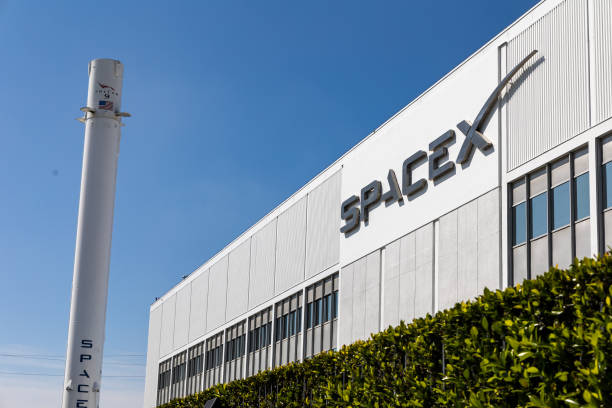
SpaceX shares were up another 10% in pre-market trading on Tuesday, extending a rally that has now seen the stock surge approximately 50% since the company listed on the Nasdaq last Friday. The IPO was already the largest in stock market history, raising $75 billion at launch. On Monday, SpaceX exercised an option to sell additional shares, taking total proceeds to $85.7 billion.
The listing has made Elon Musk, who owns just over 40% of the company, the world’s first trillionaire – a milestone that arrives alongside his existing large stake in Tesla and controlling positions across X, xAI, and other ventures. SpaceX’s corporate governance structure gives Musk complete control of the company regardless of public shareholders, an arrangement that has become increasingly common among founder-led tech listings but rarely at this scale or with ambitions this expansive. The company’s stated goals include establishing a one-million-person colony on Mars and building a network of orbital AI data centres anchored by a lunar economy.
The stock was trading at $213 in pre-market, up $20 on the session.
What Comes Next for the Stock
Passive investors are expected to provide a further tailwind in the coming weeks. SpaceX has been fast-tracked into the Nasdaq, FTSE and MSCI benchmarks, meaning index-tracking funds which collectively manage trillions of dollars will be required to buy the stock to maintain their benchmark weighting. That mechanical buying typically provides a sustained lift to newly listed companies added to major indices, independent of any fundamental reassessment of the business.
SpaceX’s businesses span rockets and satellite internet through Starlink, social media through X, and artificial intelligence through xAI. The combination makes it difficult to value using conventional frameworks, which may partly explain why the stock has moved so dramatically since listing. Different investor groups are pricing different parts of the business.
The IPO Pipeline Behind SpaceX Could Reshape Markets
SpaceX’s successful debut is explicitly clearing the path for two of the most anticipated listings in technology history. Both Anthropic and OpenAI are reported to be working toward their own trillion-dollar IPOs this year. The Cerebras listing covered in this publication earlier this month was described as an early test of appetite for AI listings. SpaceX, at $85.7 billion raised and with a 50% post-listing rally, has answered that question with considerable force.
The implications extend beyond the IPO market. A wave of large AI and deep-tech listings arriving in the same year – SpaceX, potentially OpenAI, and potentially Anthropic – would represent a significant reallocation of institutional capital toward a narrow set of high-conviction technology bets. That concentration of capital flowing into a small number of headline names tends to compress valuations elsewhere as portfolio managers make room. For crypto markets specifically, the pattern is worth watching. The last time a comparably hyped technology narrative absorbed this much institutional attention and capital, it came at the expense of alternative assets that had previously captured the same investor imagination. Whether the same dynamic plays out this time depends partly on whether Bitcoin and crypto assets have genuinely diversified their investor base beyond the macro and tech-correlated money that moves with risk appetite. The ETF outflow data from recent weeks suggests that diversification is still incomplete.
