

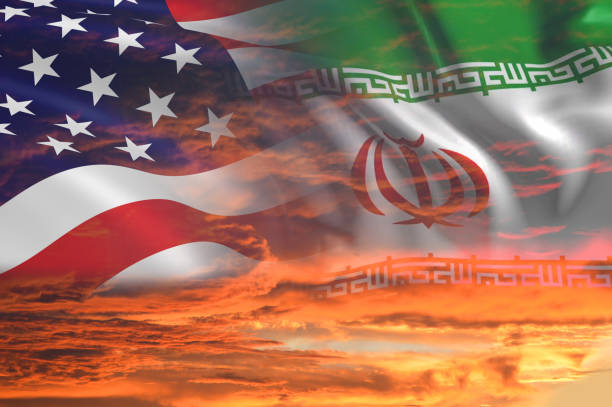
Two weeks of ceasefire between the US and Iran ended without a deal on Saturday after peace talks broke down over a central sticking point: the reopening of the Strait of Hormuz. The failure immediately raised the prospect of fresh escalation, with Donald Trump announcing plans for a naval blockade of the strait that would prevent Iranian oil from reaching its customers — most critically, China.
The announcement came despite oil markets having spent the past week pricing in optimism that a deal was close. Brent crude posted its steepest weekly loss since August 2022 on Friday, settling at $95.20 a barrel, while West Texas Intermediate fell to $96.57. That relief rally may now be short-lived.
What a Blockade Would Actually Mean for Oil Supply
The strait already handles roughly one-fifth of the world’s oil and liquefied natural gas. The current conflict has disrupted a significant portion of that flow, but Iran has continued exporting its own crude throughout – partly because the US, focused on keeping oil prices from spiralling further, had quietly eased sanctions to allow Iranian barrels to keep moving to markets like China.
A genuine blockade changes that calculation entirely. Amrita Sen, founder of research firm Energy Aspects, warned that if the US follows through, markets should expect oil to open sharply higher. “Until now the US has allowed Iranian crude and product exports,” she said, noting that a blockade would remove an additional 1.5 to 1.7 million barrels per day from global supply — on top of the more than 10 million barrels per day already halted by the broader conflict.
Analysts stopped short of calling the blockade announcement a return to active combat, but the direction of travel is clear. “Escalation tends to beget escalation,” said Kevin Book of ClearView Energy Partners. “Blocking Iranian tankers could raise prices and worsen shortages.”
Trump Is Willing to Let Prices Rise to Win on Uranium
The most significant signal in Trump’s blockade announcement is not about oil — it is about nuclear policy. Helima Croft, global head of commodity strategy at RBC Capital Markets, said the move shows Trump is “willing to risk prolonged disruption going into summer driving season to preserve the zero-enrichment position” on Iranian uranium. The US president had previously managed to keep oil prices relatively contained through consistent signals that he wanted the conflict wound down quickly. A blockade shifts that message entirely.
Croft warned that a blockade “could shift market sentiment on duration and cause a convergence in the physical and paper markets” — meaning the gap between what oil trades for on futures markets and what buyers are actually paying in the real world could close sharply upward.
The breakdown of talks and the blockade threat arrive at a particularly difficult moment. Jet fuel and diesel supplies are already under severe strain across Europe and Asia. Adding 1.5 to 1.7 million barrels per day of Iranian crude to the list of halted supply would push an already tight market into territory where shortages move from a near-term risk to a near-term certainty.
