

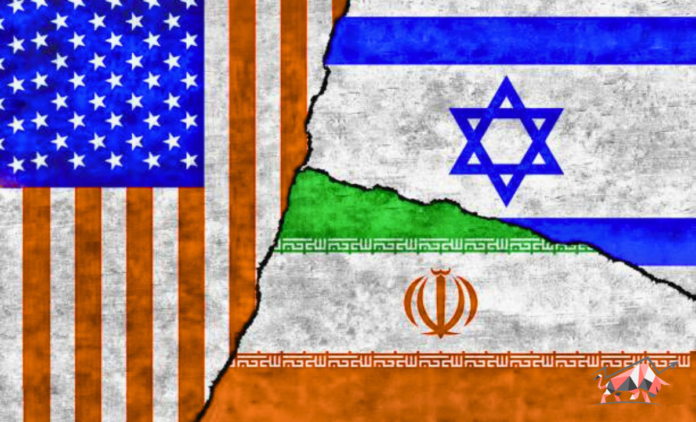
Gulf oil producers have lost an estimated $15.1 billion in energy revenues, according to The Financial Times, since US and Israeli strikes on Iran began, as millions of barrels of crude remain trapped by the near-complete shutdown of the Strait of Hormuz following the escalation of regional conflict.
The strait typically carries approximately $1.2 billion worth of crude oil, refined products and liquefied natural gas daily, based on 2025 average prices and volumes, according to commodities analytics firm Kpler. Since conflict escalated on February 28, traffic through the critical shipping chokepoint has largely ceased as Iran attacks vessels and insurance premiums skyrocket.
Saudi Arabia Bears the Largest Financial Impact
The waterway now sees only “negligible” flows compared with prewar levels, said Florian Gruenberger of Kpler. Among halted shipments, crude oil accounts for 71% of lost value. Saudi Arabia, as the world’s largest oil exporter, has suffered the greatest losses, missing out on an estimated $4.5 billion in revenue since fighting began, according to Wood Mackenzie, though the kingdom plans to significantly increase exports from the Red Sea in coming days.
Peter Martin, head of economics at Wood Mackenzie, identified Iraq as particularly exposed since it relies on oil production for 90% of government revenues. “Kuwait and Qatar are also highly exposed, but both can call on large sovereign wealth funds to buffer the short-term impact,” he added.
At least $10.7 billion worth of crude and refined oil products and LNG cargoes remain stranded inside the Strait of Hormuz, loaded but unable to reach destinations, Kpler reported. Some cargoes were already sold under prewar long-term contracts, meaning they may still generate revenue depending on payment timing, typically 15 to 30 days after loading. A drone strike forced the shutdown of Saudi Aramco’s massive Ras Tanura refinery on March 2, compounding the export disruption.
Alternative Routes Face Capacity Constraints
The disruption’s impact varies between producers. Antoine Halff, co-founder of satellite analytics company Kayrros, said Saudi Arabia is better positioned to absorb disruption than Iraq, which he expects to suffer more severe losses. Saudi Arabia maintains oil in overseas storage facilities and could continue supplying customers temporarily while also benefiting from higher prices that may partly offset lost export revenue, Halff noted. Ultimately, motorists and other end consumers will bear the brunt of the price impact.
While state-backed Saudi Aramco claims it could reroute about 70% of crude shipments from eastern oilfields to the Red Sea through its east-west pipeline, analysts warn the system has never operated at that capacity level. Wood Mackenzie estimates Gulf oil producers—including Saudi Arabia, Iraq, the UAE, Kuwait and Bahrain—have collectively deferred $13.3 billion in sales and tax revenue for oil.
Wood Mackenzie calculates that QatarEnergy, Qatar’s state-owned energy company, had lost approximately $571 million in revenue by Wednesday after halting production on March 2, excluding losses from delays to planned expansions or new facilities.
Why Energy Chokepoints Remain Geopolitical Suicide Switches
The Strait of Hormuz shutdown demonstrates how physical geography still determines global energy security regardless of technological advancement. 20% of the world’s oil passes through a waterway that can be closed by a single hostile actor, immediately costing Gulf producers $15 billion while threatening to spike prices globally and potentially trigger a recession. No amount of alternative pipeline capacity can fully compensate when the primary artery gets severed, which is why Gulf states with massive sovereign wealth funds built those reserves in the first place—they’ve always known this vulnerability exists.
For energy markets and broader economies, this conflict validates the strategic importance of diversification away from concentrated chokepoints, whether geographic straits or centralised control points. The parallel to decentralised systems is obvious: Bitcoin doesn’t have a “Strait of Hormuz” that a hostile nation can blockade to freeze 20% of global transactions, which become increasingly valuable as geopolitical fragmentation makes physical infrastructure vulnerabilities more exploitable by state actors willing to weaponise geography.
