

Global markets fell sharply on Friday as investors confronted the possibility that the Middle East conflict is not a short-term oil shock but a lasting inflationary event with real consequences for interest rates. The S&P 500 dropped 1% and the Nasdaq fell 1.4%. More significantly, the 10-year US Treasury yield jumped 0.1 percentage points to 4.56% — its highest level in almost a year — while the 30-year yield rose to 5.1%. The US government sold 30-year debt at a 5% yield this week for the first time since 2007.
When stocks and bonds fall together, it signals something more troubling than a routine risk-off day. It means investors are not rotating into the safety of government debt — they are selling it too, because they expect inflation to persist and interest rates to rise further. That is the environment markets are now pricing in.
The Beijing Summit Delivered Nothing on Hormuz
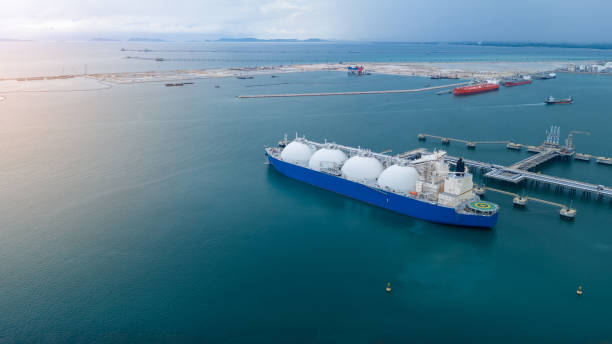
The immediate trigger for Friday’s selloff was disappointment over the Trump-Xi summit in Beijing. Investors had entered the week hoping the meeting might produce some Chinese pressure on Iran to reopen the Strait of Hormuz, or at least signal movement toward a resolution. Neither happened. Beijing gave no indication it would help the US reopen the vital shipping corridor, and oil prices continued climbing — Brent crude rose 2.5% on Friday to $108.31 a barrel.
“There was some expectation that the Beijing summit would bring some kind of resolution to the Iran war and help reopen the strait,” said Emmanuel Cau, head of European equities strategy at Barclays, adding that investors were left with clear “disappointment”. His summary of the market mood was blunt: “It’s all about oil now. If oil doesn’t fall, the market cannot go up.”
The Fed Is Being Dragged Back Into the Picture
Traders in swaps markets are now fully pricing in at least one Federal Reserve rate increase by March next year, with more than a 50% probability of a hike before the end of 2026. At the start of this week, markets were roughly split on whether rates would rise at all over the next 12 months. That shift in a matter of days reflects how quickly the inflation calculus is changing.
The Fed had been navigating toward a more neutral stance after its rate-hiking cycle. Persistent oil price pressure driven by a geopolitical conflict it has no tools to resolve forces an uncomfortable choice – accept higher inflation or raise rates in an already slowing economy. Neither option is clean, and the bond market is beginning to price in the discomfort of that position.
For anyone watching risk assets broadly, the pattern here is worth noting. Elevated long-term yields make every speculative asset less attractive by raising the cost of holding it relative to a risk-free return. When 30-year Treasuries yield 5% for the first time in nearly two decades, the implicit question for every other asset class — equities, real estate, and crypto included — is whether the return on offer justifies the additional risk. That question gets harder to answer the longer oil stays where it is.
