

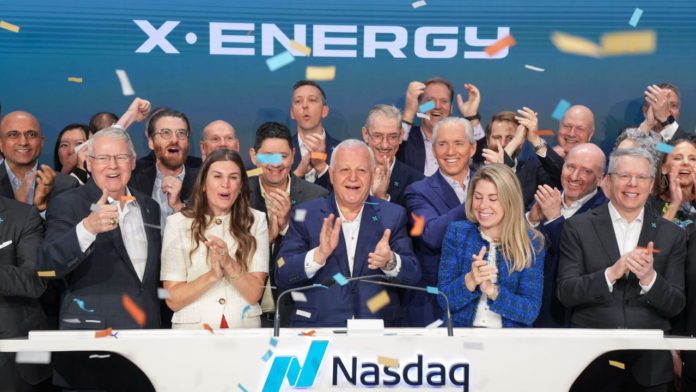
X-Energy, a small modular reactor company backed by Amazon, surged as much as 36% on its Nasdaq debut on Friday, hitting a high of $31.33 after pricing its shares at $23 — already above the $16 to $19 range it initially marketed to investors. The IPO raised $1 billion, giving the company a fully diluted market capitalisation of around $12 billion.
The company is building a new generation of smaller, standardised nuclear reactors — known as small modular reactors, or SMRs — designed to be cheaper and faster to construct than conventional nuclear plants. X-Energy has already secured deals with chemicals giant Dow, Amazon, and UK energy firm Centrica and has plans to build reactors in both the US and the UK. The IPO proceeds will be used to accelerate supply chain development and lock in further partnerships, according to CEO Clay Sell.
The Problem SMRs Are Trying to Solve
Traditional nuclear power has a well-documented track record of cost overruns, construction delays, and political controversy. Sell was candid about the sector’s history. The SMR proposition is different by design — smaller units that can be manufactured at scale, reducing the one-off complexity that has made large nuclear projects so difficult to finance and deliver.
X-Energy’s listing comes as construction has started on commercial SMR projects by two of its main US rivals — TerraPower and Kairos Power — within the past week alone, reflecting how quickly the sector is moving from concept to physical reality. The driving force behind all of it is electricity demand from AI data centres, which is growing faster than conventional power infrastructure can keep up with.
When Serious Money Moves Into an Asset Class, Pay Attention
Nuclear energy has spent decades as an investment category too politically toxic and capital-intensive for most institutional money to touch. What is happening now is different in kind, not just degree. Amazon is backing an SMR company. A $1 billion IPO priced above range and jumped 36% on day one. Rival developers are breaking ground on commercial projects simultaneously.
I have watched this pattern before in crypto — the moment when an asset class moves from fringe curiosity to institutional legitimacy tends to be messy, fast, and underestimated by people still focused on the risks rather than the trajectory. Nuclear is not crypto, and SMRs carry their own set of delivery risks, regulatory hurdles, and timeline uncertainties. But the underlying driver — an electricity demand curve that existing infrastructure cannot satisfy — is real and structural. X-Energy’s debut is one data point. The fact that it arrived alongside rival ground-breaking and a broader capital rotation into atomic energy suggests the market has already made its judgement.
