

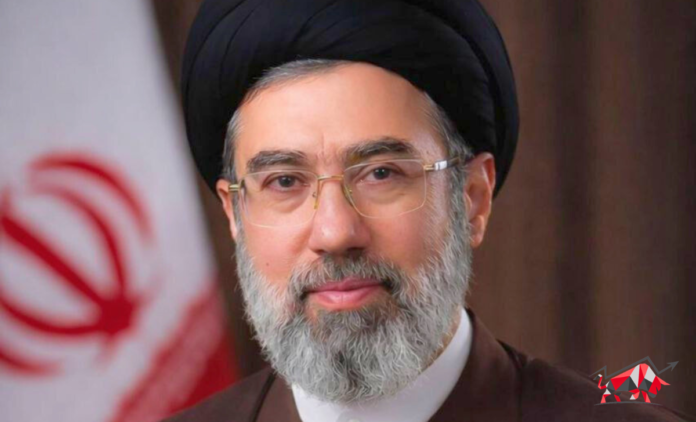
Iran’s new supreme leader, Mojtaba Khamenei, pledged to continue blocking the Strait of Hormuz and attacking US military bases in his first public comments since assuming power, while hinting at potential expansion of the conflict with the United States and Israel.
In a written statement published on state media and his slain father’s official website, Khamenei—who has not appeared publicly and is believed to be wounded—signalled Iran could open new fronts in the regional war. “The leverage of blocking the Strait of Hormuz should continue to be used,” Khamenei stated. “Studies have been carried out to open new fronts where the enemy has little experience or is vulnerable, which can be activated if the war continues and if deemed necessary.”
Iranian Attacks Create Historic Supply Disruption
Iranian attacks on shipping have rendered the Strait of Hormuz, through which approximately one-fifth of global oil and liquefied natural gas normally flows, almost impassable. This has driven oil and gas prices sharply higher and triggered what the International Energy Agency described as “the largest supply disruption in history”.
The statement ends a period of silence from Khamenei, who was selected as Iran’s head of state early Monday but has neither been seen nor heard publicly since the war began February 28. His father, former supreme leader Ayatollah Ali Khamenei, was killed in a US-Israeli strike along with several family members, including Mojtaba’s wife, sister, brother-in-law and niece.
His absence from public view sparked speculation about his health and capacity to lead. Western officials have circulated unconfirmed reports that the 56-year-old Khamenei suffered injuries during the war, including possible full or partial leg amputation. Late Thursday, Israeli Prime Minister Benjamin Netanyahu threatened Khamenei, saying he “would not take out a life insurance policy” on him or any other militant leaders across the region.
Regime Vows Revenge, Threatens Asset Seizures
In his first press conference since fighting began, Netanyahu said the Israeli air force would continue striking Iranian paramilitaries attempting to “create the conditions” for toppling the Islamic Republic, though he conceded regime change ultimately “was in the hands of the Iranian people”.
Khamenei did not address health rumours in his written statement but confirmed relatives had joined “the caravan of martyrs”. He vowed revenge not only for his father but also for others, including more than 100 schoolchildren killed in what evidence suggests was a US airstrike on a primary school in southern Iran.
“We will seek in any possible way compensations for the war,” Khamenei said, offering no clarity on how Iran would pursue these actions. “If they refuse, we will take away from their assets as much as we deem necessary, or we will destroy their assets.” The new leader is considered a target for US and Israeli military operations, with President Donald Trump suggesting Iran’s next supreme leader would not “last long” without Washington’s approval.
Khamenei reaffirmed plans to maintain attacks on US military bases in the region. “There is no other choice” but to continue these strikes, he stated. Since the war started, Iranian missiles and drones have targeted civilian and energy infrastructure throughout the Gulf and elsewhere in the region, provoking outrage from Iran’s neighbours.
Escalation Rhetoric From Leaders Already Marked for Death.
A supreme leader who likely can’t walk, publicly threatening to expand war against adversaries actively hunting him, reveals the dangerous logic of conflicts where both sides have committed to regime change. Khamenei’s written statement—conspicuously not delivered via video despite modern leaders’ preference for visual communication—suggests either significant injuries or security concerns severe enough to prevent any public appearance. Yet he’s escalating threats about opening “new fronts” and seizing assets while Netanyahu publicly jokes about his life expectancy, creating a dynamic where neither side can de-escalate without appearing weak to domestic audiences.
The Strait of Hormuz blockade continuation guarantee ensures energy markets remain disrupted indefinitely, but the threat to “destroy assets” if compensation isn’t paid introduces unpredictable escalation pathways that could expand beyond the Middle East to wherever Iranian-attributed attacks might target Western or allied infrastructure globally, turning localised conflict into distributed economic warfare with unclear boundaries or off-ramps.
