

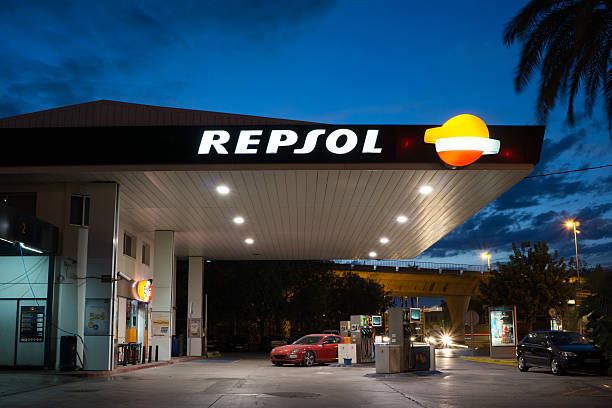
Spanish energy company Repsol expects to triple its Venezuelan oil production over the next three years after receiving US authorization to operate in the country, betting on opportunity where rivals like ExxonMobil see only risk.
“We see now that we could be able to increase gross oil production in Venezuela by more than 50 percent over the next 12 months,” chief executive Josu Jon Imaz told investors Thursday. “We have the ambition and we see plenty of room to multiply the production by three within three years.”
US Treasury Grants Access to Major Energy Companies
Repsol received clearance last week from the US Treasury’s Office of Foreign Assets Control to participate directly in Venezuela’s oil sector, joining BP, Chevron, Eni and Shell in gaining permission to operate under the new framework established following the US capture of Venezuelan leader Nicolás Maduro last month.
“Now we are preparing to resume our operations in a direct way in the country,” Imaz said, adding that Repsol remains open to exploring new opportunities in Venezuelan oil and gas development. The company produced 71,300 barrels of oil equivalent in Venezuela last year, up from 67,000 barrels the previous year, including natural gas production that Repsol intends to increase by 10 percent this year.
The US administration has actively encouraged oil and gas investment in Venezuela following Maduro’s capture, seeking to claim control of the country’s vast natural resources. Energy Secretary Chris Wright recently projected Venezuela could boost oil production by 30 to 40 percent this year, leveraging the world’s largest proven oil reserves.
Split Emerges Among Oil Majors
Not all major energy companies share Repsol’s enthusiasm. ExxonMobil CEO Darren Woods declared last month that Venezuela remains “uninvestable,” citing the country’s history of asset seizures and lack of legal protections for foreign companies. The divergent responses highlight fundamentally different risk assessments about operating in a country whose government was just overthrown by US military action.
Until March, Repsol had been receiving Venezuelan crude from the state as payment for gas supplied to power generation facilities. However, US pressure on Caracas in the run-up to Maduro’s capture jeopardized those payments, creating a sizable debt owed to Repsol. The company’s share price has surged following the US authorization, reflecting investor optimism about the Venezuela opportunity despite the significant political and operational risks involved.
When Government Guarantees Replace Rule of Law
Repsol’s confidence in tripling Venezuela production within three years rests entirely on US government assurances rather than Venezuelan legal frameworks. This creates a fascinating test case: can political promises substitute for institutional stability when making billion-dollar energy investments? ExxonMobil, having lost assets to Venezuelan seizures twice before, clearly thinks not.
The fundamental question isn’t whether Venezuela has oil—it has the world’s largest reserves—but whether property rights will be respected long enough for investors to recoup capital and earn returns. Repsol is betting that US backing changes that calculation, while Exxon remains skeptical that even American guarantees can override Venezuela’s institutional dysfunction and history of nationalizing foreign assets when politically convenient.
For crypto markets watching this unfold, it reinforces why decentralized systems matter in countries with weak institutions. If major energy companies can’t trust property rights even with explicit US government support, what hope do ordinary citizens have for protecting wealth? This is precisely the environment where Bitcoin and stablecoins gain traction as alternatives to local currencies and banking systems that governments can seize or devalue at will.
